
Bay Windows vs. Bow Windows: Which Is Right for Your Home?
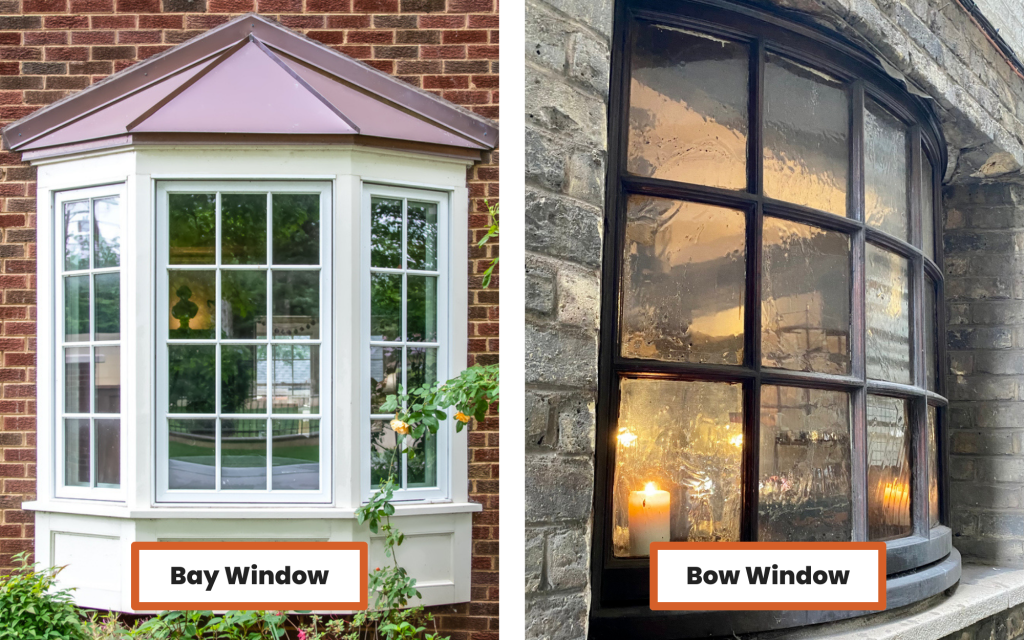
Short Answer: Bay windows feature three window panels set at sharp angles, creating a defined, angular projection from your exterior wall. Bow windows use four or more panels arranged in a gentle curve for a rounded, panoramic look. Both add natural light, extra space, and curb appeal, but they differ in shape, size, and the type of room they work best in.
If you’re shopping for replacement windows or planning a home upgrade, you’ve probably come across bay windows and bow windows. At first glance, they look similar. Both extend outward from the wall and open up a room with light and views. But once you take a closer look, the key differences between these two window styles become clear.
Choosing the right one comes down to your home’s architecture, the room you’re updating, and what you want the window to do for your space. This guide breaks down what each window type is, how they compare, and what to think about before making a decision.
What Is a Bay Window?
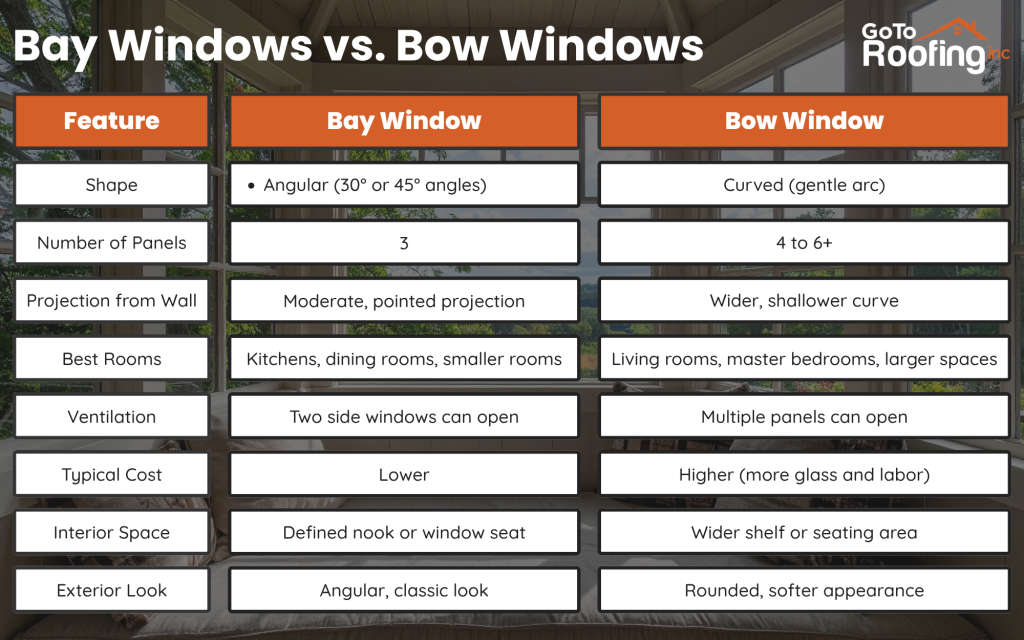
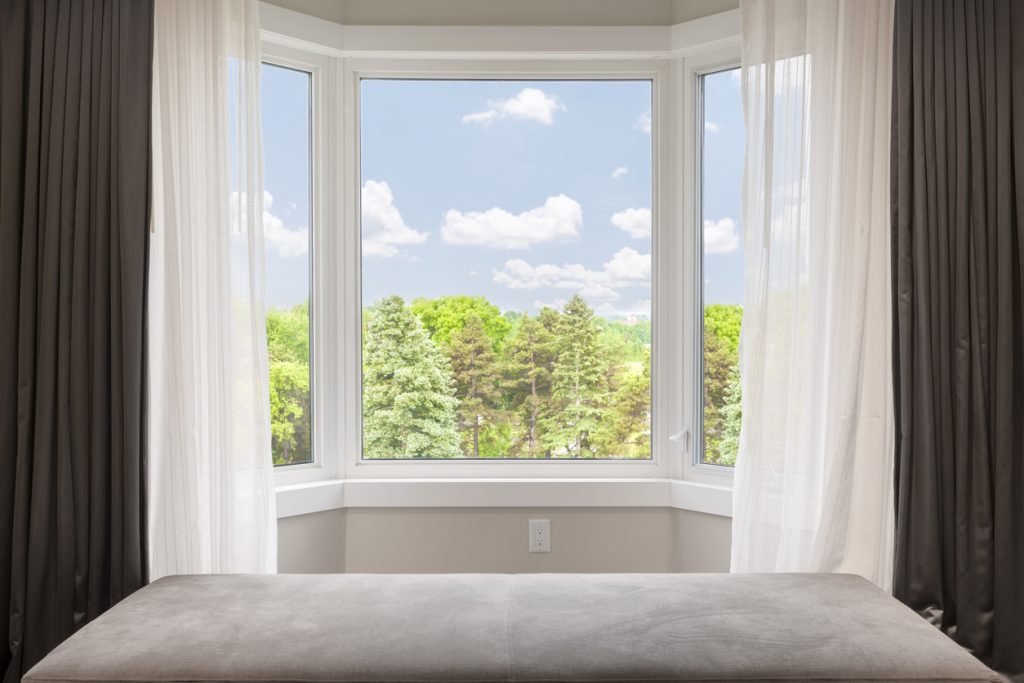
A bay window is a projection window made up of three window panels. The center panel is typically a large picture window, and the two side windows are set at angles, usually 30 or 45 degrees, from the exterior wall. This angular design gives bay windows their distinctive shape and creates a defined nook as the window projects outward from your home.
The side windows on a bay window are often casement windows or double-hung windows, which means they can open to let in fresh air. The center picture window stays fixed and serves as the focal point, framing your view of the outdoors.
Location
Bay windows are a popular choice for living rooms, dining rooms, and kitchens. Many homeowners place a new bay window above the kitchen sink for added light and a view while working. The built-in ledge created by a bay window also provides extra storage or a place to set plants, books, or decorations. In larger rooms, the nook is often turned into a cozy seating area with cushions or a built-in bench, making it a favorite spot to relax or read.
What Is a Bow Window?
A bow window uses four to six (sometimes more) equally sized window panels arranged in a gentle curve. Instead of the sharp angles you see with a bay window, a bow window creates a smooth, rounded projection from your home’s exterior wall. This curved shape is why bow windows are sometimes called compass windows.
Because bow windows use more panels, they tend to be wider than bay windows and create a larger space inside the room. The individual panels in a bow window can be casement windows, double-hung windows, or fixed picture windows, depending on how much ventilation you want.
Location
Bow windows work well in rooms where you want expansive views and a softer look. They’re common in living rooms, master bedrooms, and any space where a panoramic view is the goal. The gentle curve adds character to both the interior and exterior of your home without the sharper lines of a bay window. Because they span a wider section of wall, bow windows can also add square footage to the look and feel of a room, making smaller rooms feel more open.
How Each Window Type Affects Your Home
Natural Light
Both bay and bow windows bring in significantly more natural light than a standard flat window. A flat window sits flush with the wall and captures light from one direction. Because they project outward, bay and bow windowscatch light from multiple angles. However, because bow windows use more glass panels across a wider span, they typically let in more light throughout the day. If brightening up a room is your top priority, a bow window gives you a slight edge.
Curb Appeal
Adding either window type can improve your home’s curb appeal. Bay windows offer a classic look with clean, angular lines that work well with traditional and modern homes. Bow windows create an elegant, rounded profile that can soften the appearance of your home’s exterior. Both styles are eye-catching and can make your home stand out on the street.
Interior Space
A bay window creates a well-defined nook. This extra space is often used for a window seat, a reading area, or extra storage. A bow window, with its wider curve, creates a broader shelf area that works well for plants, display items, or simply opening up the room and making it feel like a larger space.
Energy Efficiency
Both window types have more glass surface area than a standard window, so energy efficiency matters when choosing materials. Look for double-pane or triple-pane glass with low-E coatings and insulated frames. A well-installed, efficient window will keep your home comfortable without driving up energy costs. Proper installation also plays a big role, because gaps around the window frame can let conditioned air escape.
Which Window Style Is Right for Your Home?
The perfect window for your home depends on a few factors. Here’s a quick guide based on what you’re looking for:
Choose a Bay Window If:
- You want to add a cozy nook or window seat
- You’re working with a smaller wall space
- You prefer a more angular, defined look
- You’re updating a kitchen, dining room, or breakfast area
- Budget is a consideration (bay windows generally cost less)
Choose a Bow Window If:
- You want a wider, more open feel in the room
- You have a larger wall to work with
- You prefer a softer, curved appearance
- You want maximum natural light and panoramic views
- You’re updating a living room, master bedroom, or another larger space
In many cases, the decision comes down to personal preference and the room you’re working with. Both window types add value, light, and character to your home.
What to Consider Before Installation
Room Size and Wall Space
Measure the wall where the window will go. Bow windows need more width because their curved design requires more panels, while bay windows can fit into tighter spaces. Make sure you know how much room you have before committing to a window type.
Your Home’s Architecture
Some home styles pair better with one window type over the other. A bow window’s curve can complement older or more traditional homes, while a bay window’s angular design fits a wide range of styles, including modern homes. Think about what will look right on your home’s exterior.
Structural Support
Both bay and bow windows project outward from the exterior wall, which means the area below needs adequate support. Bay windows are lighter than bow windows but still require proper bracing, especially for larger configurations. Bow windows, because they are wider and use more glass, tend to be heavier and may need additional reinforcement. A professional installer will assess whether your wall framing can handle the weight and size of either window type and recommend any structural work needed before installation begins.
Budget
Bow window installation costs more because it involves more glass, more framing, and more labor. If budget is a deciding factor, a replacement bay window delivers many of the same benefits at a lower price point.
New Construction vs. Window Replacement
If you’re installing a window in new construction, you’ll have more flexibility with sizing and placement. For replacement window projects, the installer will need to work within the existing opening, though modifications can be made to accommodate either window type.
Add Light and Space to Your Home
Both bay windows and bow windows can transform a room by adding natural light, creating extra space, and boosting your home’s curb appeal. The right choice depends on your room, your budget, and the look you’re going for. No matter which window type you choose, quality materials and proper installation make all the difference in how the window looks, performs, and lasts.
At GoTo Roofing, we help homeowners in Ann Arbor and the surrounding areas with window replacement and installation, along with roofing, siding, gutters, and insulation. We stay hands-on from start to finish, explain every step of the process, and use quality materials we stand behind. If you’re thinking about a new bay window, bow window, or any exterior upgrade, contact us today for a free estimate.
Copyright © 2026 WebLocal, Inc.