
Breaking Down the Different Types of Siding Available for Your Home
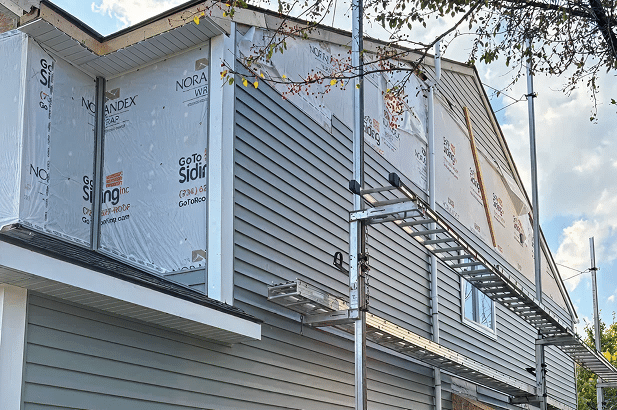
At a Glance: Choosing new siding affects everything from your home’s curb appeal to its long-term protection against Michigan’s harsh weather conditions. The most common siding options include vinyl siding, fiber cement siding, wood siding, metal siding, composite siding, and stone veneer. Each siding type comes with its own strengths in terms of cost, maintenance, aesthetic appeal, and energy efficiency. The right siding for your home depends on your priorities, your architectural style, and your budget.
Your home’s exterior does a lot of heavy lifting. It keeps the elements out, holds up against high winds, and makes the first impression every time someone pulls into the driveway. When it’s time to replace or upgrade your siding, the number of options can feel overwhelming. Between vinyl, fiber cement, wood, metal, stone veneer, and everything in between, how do you know which siding material actually makes sense for your home?
This guide breaks down the most popular siding types on the market, what they’re made of, how they perform, and what to expect in terms of cost and upkeep. By the end, you’ll have a clear picture of which exterior siding fits your needs.
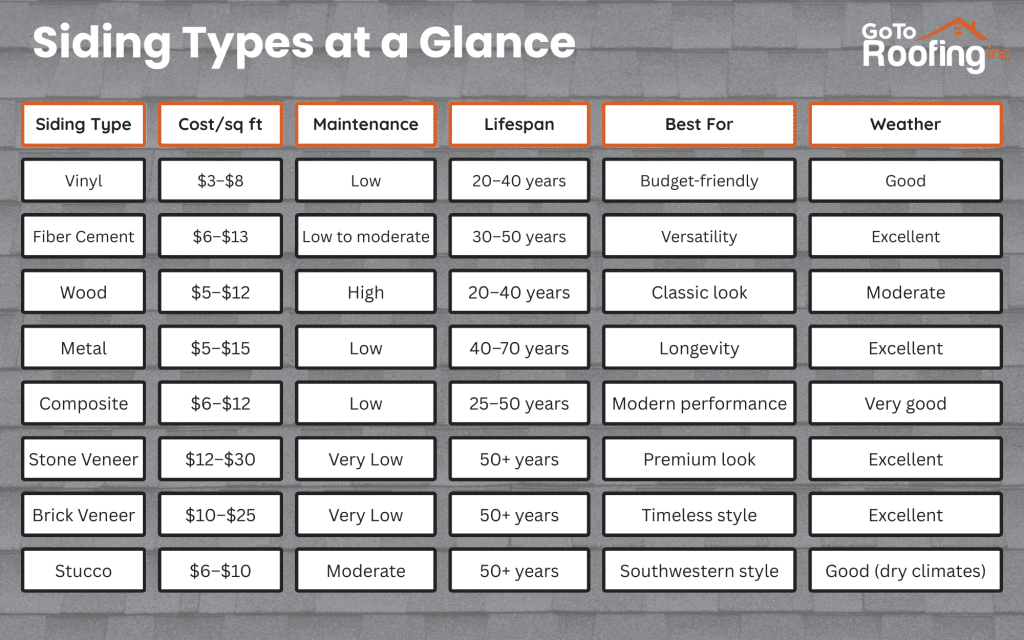
Siding Types at a Glance
Before we get into the details, here’s a side-by-side look at the most common siding options for homes:
Vinyl siding is one of the most popular siding choices for homeowners across the country, and for good reason. Made from PVC (polyvinyl chloride), vinyl comes in a wide variety of colors, textures, and profiles. Lap siding features horizontal, overlapping boards and is the most common style you’ll see on residential homes. Board and batten siding uses wide vertical boards with narrow strips (battens) covering the seams, giving a more farmhouse or cottage feel. Vinyl wood shingles mimic the staggered, textured look of cedar shakes. All of these styles can replicate the appearance of natural wood siding without the upkeep.
Why Homeowners Choose It
Vinyl is a low-maintenance siding material that doesn’t need painting, staining, or sealing. It resists moisture and insects, and it holds up well in moderate climates. This is also one of the most affordable siding options per square foot, making it a popular choice for homeowners working within a budget.
On the downside, vinyl can crack in extreme cold, warp with sun exposure, and dent from heavy hail or debris. Still, thicker insulated panels hold up well in Michigan when properly installed.
Fiber Cement Siding
Fiber cement siding is made from a mix of Portland cement, cellulose fiber, sand, and water. James Hardie is the most well-known manufacturer, and you’ll often hear this siding type referred to as “Hardie board.” It can be shaped and textured to look like natural wood, brick, or stone, giving you a high-end appearance with better performance in harsh weather.
Why Homeowners Choose It
Fiber cement stands up to moisture, fire, insects, and temperature swings, making it a strong fit for Michigan’s unpredictable climate. It holds paint well, can last 30 to 50 years with proper maintenance, and won’t warp or rot. Labor costs tend to run higher than vinyl because fiber cement is heavier and requires specialized installation, but many homeowners find the long-term value well worth it.
Wood Siding
Natural wood siding has been used on American homes for centuries, and it’s still one of the most visually appealing options available. Common wood siding species include cedar, redwood, pine, and spruce. Just like vinyl, wood siding comes in several forms, including lap siding (also called clapboard), board and batten siding, and wood shingles. Each type brings a slightly different character to your home’s exterior.
Why Homeowners Choose It
Nothing matches the warmth and natural beauty of real wood. It’s paintable, stainable, and can be customized to almost any architectural style. However, natural wood requires consistent upkeep. It needs to be sealed, stained, or painted every few years to prevent rot, insect damage, and moisture problems. Without proper maintenance, wood siding can deteriorate quickly, especially in climates with lots of rain or snow.
Metal Siding
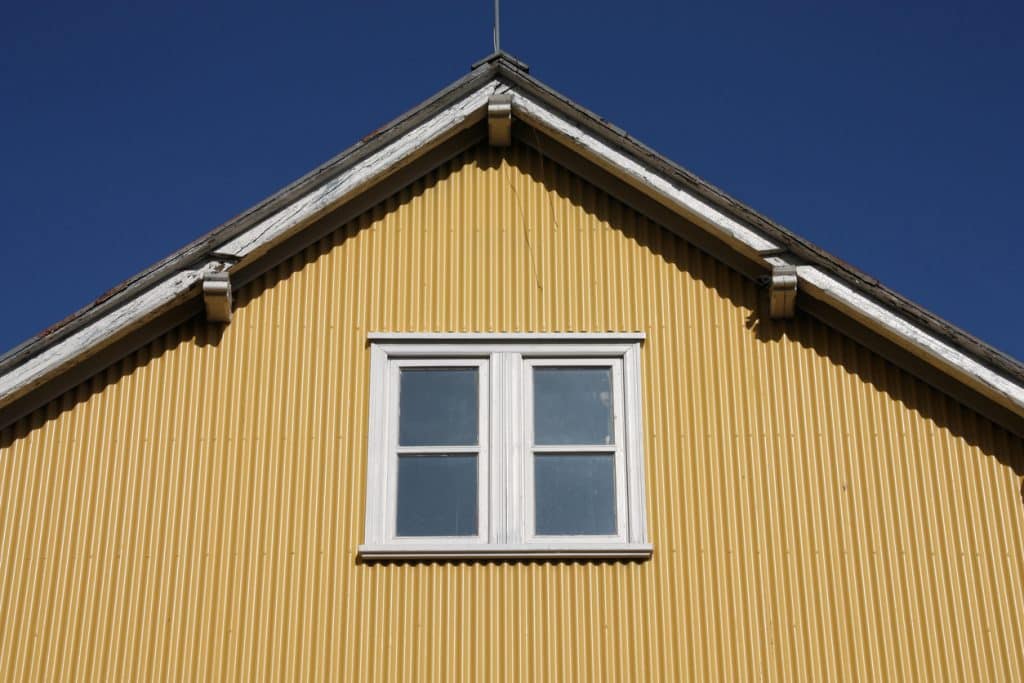
Metal siding mainly refers to steel or aluminum siding. Although it was once associated mainly with commercial buildings, metal has become a more popular choice for residential homes thanks to modern finishes and profiles that offer a clean, contemporary look. This is because other siding options offer greater benefits over that of aluminum or wood. Aluminum siding is very costly, about double the cost of vinyl, and does not hold up to impact as other options available today.
Steel vs. Aluminum
Steel siding is heavier and more impact-resistant, making it a solid pick for areas prone to high winds and harsh weather conditions. It’s often coated to resist rust, though scratches can expose the metal underneath.
Aluminum siding is lighter, naturally resistant to corrosion, and works well in coastal or humid environments.
Both options are low-maintenance and recyclable, which makes them appealing for homeowners thinking about energy efficiency and sustainability.
Composite Siding
Composite siding blends materials like wood fiber, resins, and binders to create a product that looks like real wood but performs more like vinyl or fiber cement. Engineered wood fiber technology allows composite siding to hold paint well while resisting moisture, impact, and fungal decay.
Why Homeowners Choose It
Composite siding offers a middle ground between the natural look of wood and the low-maintenance performance of synthetic options. It’s lighter than fiber cement, easier to install, and comes in a range of profiles, including lap siding and batten siding styles. It’s a strong option for homeowners who want the aesthetic appeal of wood without the constant upkeep.
Stone and Brick Veneer Siding
Stone veneer siding and brick veneer give your home a premium, high-end look without the weight and cost of full natural stone or solid brick. These materials are installed as a thin facing layer over your existing wall structure, which keeps labor costs lower than traditional masonry.
Stone Veneer
Stone veneer is available in both natural stone (thin-cut from real rock) and manufactured versions made from Portland cement and aggregates. It offers aesthetic appeal and holds up extremely well against moisture, fire, and harsh weather. It’s often used as an accent on part of a home’s exterior rather than covering the full surface. The cost per square foot is higher than most other siding types, but stone veneer requires very little maintenance over its long lifespan.
Brick Veneer
Brick veneer siding offers a classic, timeless look that suits a wide variety of architectural styles. Like stone veneer, brick veneer is applied as a single layer rather than a full structural wall. It’s fire-resistant, extremely long-lasting, and virtually maintenance-free outside of occasional mortar repointing. The tradeoff is a higher upfront cost and a longer installation timeline.
Stucco Siding
Stucco siding is a cement-based coating applied in layers over a mesh base. It creates a smooth or textured finish and is especially common in Southwestern, Mediterranean, and Spanish-style homes. Traditional stucco is made from Portland cement, sand, lime, and water, while synthetic stucco (EIFS) uses a foam insulation board base.
Stucco performs best in dry, warm climates. In areas with heavy rain, freeze-thaw cycles, or high humidity (like Michigan), stucco can be prone to cracking and moisture intrusion. If you love the look but live in a colder region, talk with a professional about whether stucco is a practical fit for your home.
How to Choose the Right Siding for Your Home
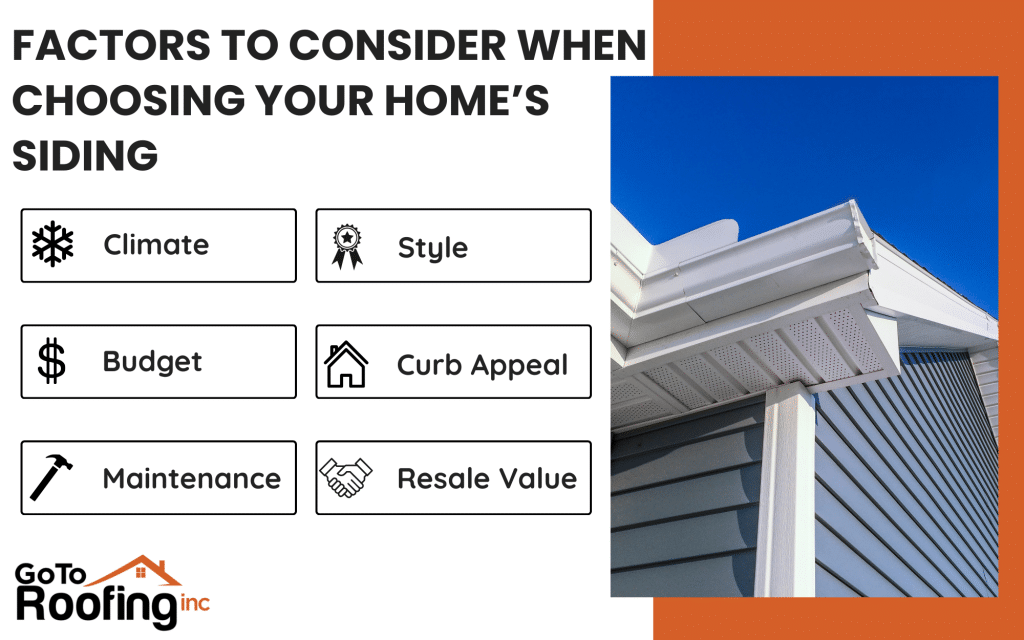
With so many siding options, narrowing it down can feel like a challenge. Here are a few factors to help guide your decision:
- Climate: Michigan’s mix of snow, rain, humidity, and temperature swings means you need a siding material that can handle it all. Fiber cement, metal siding, and composite siding all perform well in harsh weather conditions.
- Budget: Vinyl siding offers the lowest upfront cost per square foot, while stone veneer and brick veneer have some of the highest. Factor in long-term maintenance and lifespan when comparing prices; a cheaper option upfront might cost more over 20 years.
- Maintenance: If you want something you can install and mostly forget about, vinyl, fiber cement, metal, and stone veneer all require minimal attention. Wood siding looks beautiful but demands regular care.
- Style: Your home’s architectural style should guide your choice. A farmhouse looks natural in board and batten siding, while a modern home might call for sleek metal or smooth fiber cement panels.
- Curb Appeal and Resale Value: New siding is one of the best improvements for boosting your home’s curb appeal and resale value. Fiber cement and stone veneer tend to offer the highest return on investment.
Find the Best Siding for Your Home
Picking the right siding is a big decision, and it helps to have a team that knows the options inside and out. At GoTo Roofing, we help homeowners in Ann Arbor and the surrounding communities choose and install siding that fits their home, their style, and their budget. From vinyl siding to fiber cement and beyond, we walk you through the pros and cons so you can make a confident choice.
We stay hands-on from start to finish, with onsite supervision during the entire duration of the project so you always know who’s on the job and what’s happening next. We install American-made, quality-guaranteed materials and stand behind our workmanship. If you’re ready to explore your siding options or want a professional opinion on the best option for your home, contact GoTo Roofing today for a free consultation.
Copyright © 2026 WebLocal, Inc.