
Comparing The Different Types of Windows: A Complete Guide
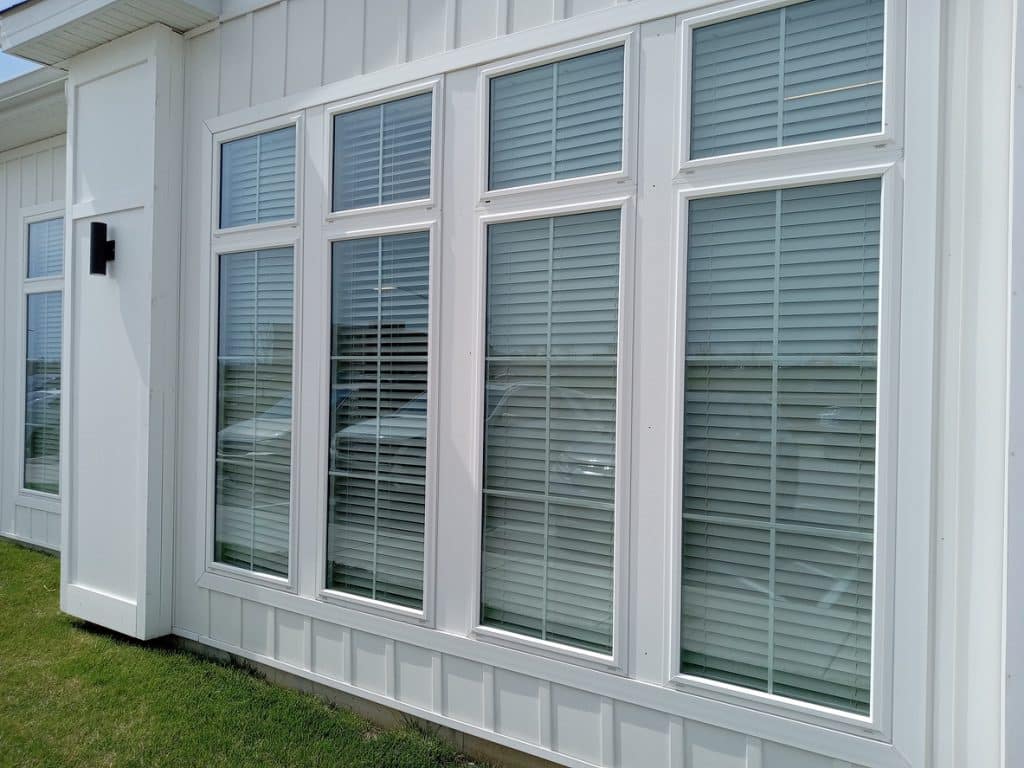
Short Answer: The most common types of windows include single-hung, double-hung, casement, awning, picture, bay, and bow windows. Each window type offers different benefits depending on your home’s architectural style, ventilation needs, and energy efficiency goals. The right choice depends on where the window goes, how you use the room, and what matters most to you.
Choosing new windows for your home can feel overwhelming when you start looking at all the options. Between different types of frame materials, operating styles, and glass configurations, there’s a lot to sort through. But most window decisions come down to a few practical questions: where is the window going, how much light and airflow do you want, and what fits your budget and personal style?
This guide walks through the most popular window designs so you can compare them side by side and figure out which ones make sense for your home.
Types of Windows
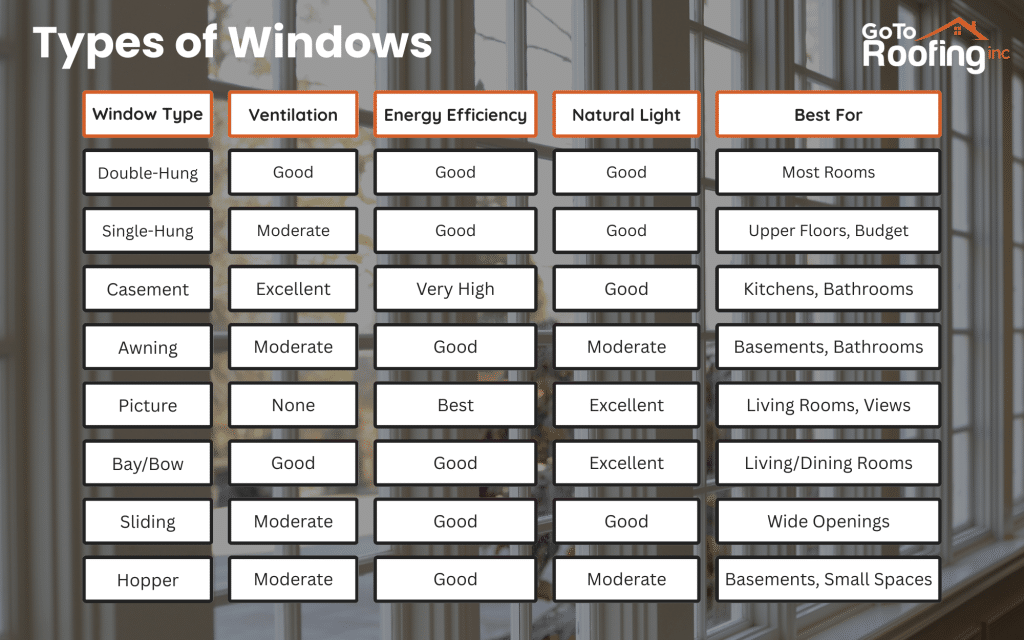
Single-Hung and Double-Hung Windows
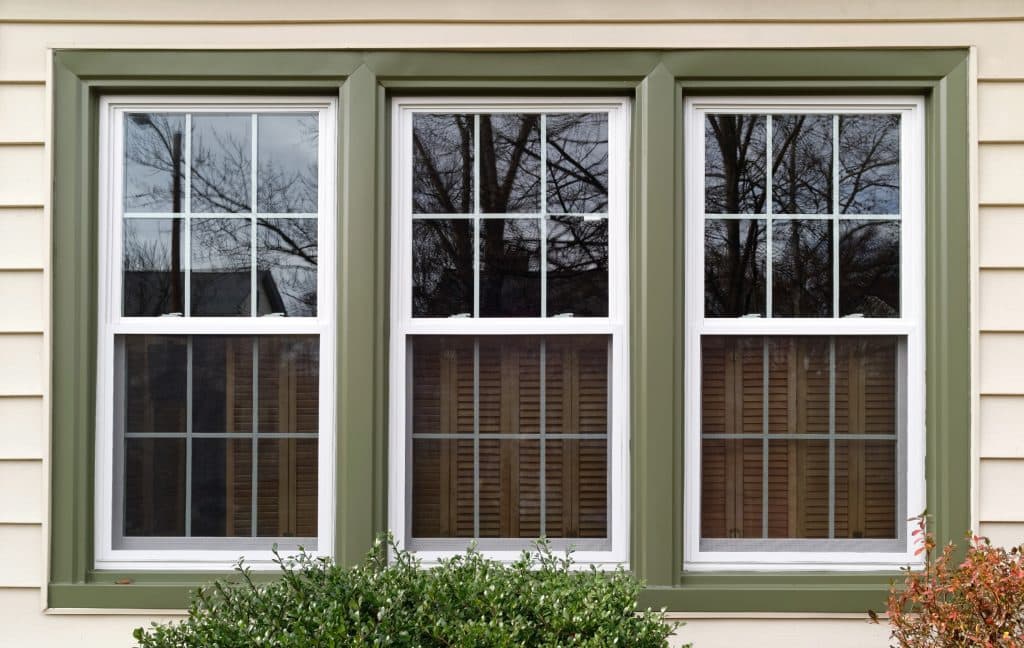
These two window styles are the most common in American homes, and they look nearly identical from the outside. The difference is in how they open.
A single-hung window has a fixed top sash and a bottom sash that slides up and down. Only the lower half of the window opens, which limits airflow but keeps the design simple and affordable. Single-hung windows work well on upper floors where you don’t need to reach the top of the window for cleaning.
A single-hung window has a fixed top sash and a bottom sash that slides up and down. Only the lower half of the window opens, which limits airflow but keeps the design simple and affordable. Single-hung windows work well on ground-level floors and in spots where the top sash would be hard to reach anyway, like behind a counter or workbench.
A double-hung window lets both the top sash and bottom sash move independently. This gives you more control over ventilation. You can open the top to let warm air escape while cooler air enters through the bottom. Both sashes also tilt inward, which makes it easy to clean the exterior glass from inside your home without climbing a ladder. Double-hung windows are an excellent choice for upper floors, bedrooms, living rooms, and any space where you want flexibility.
Both styles offer a classic look that suits most homes, and they’re available in wood frames, vinyl, fiberglass, and aluminum.
Casement Windows
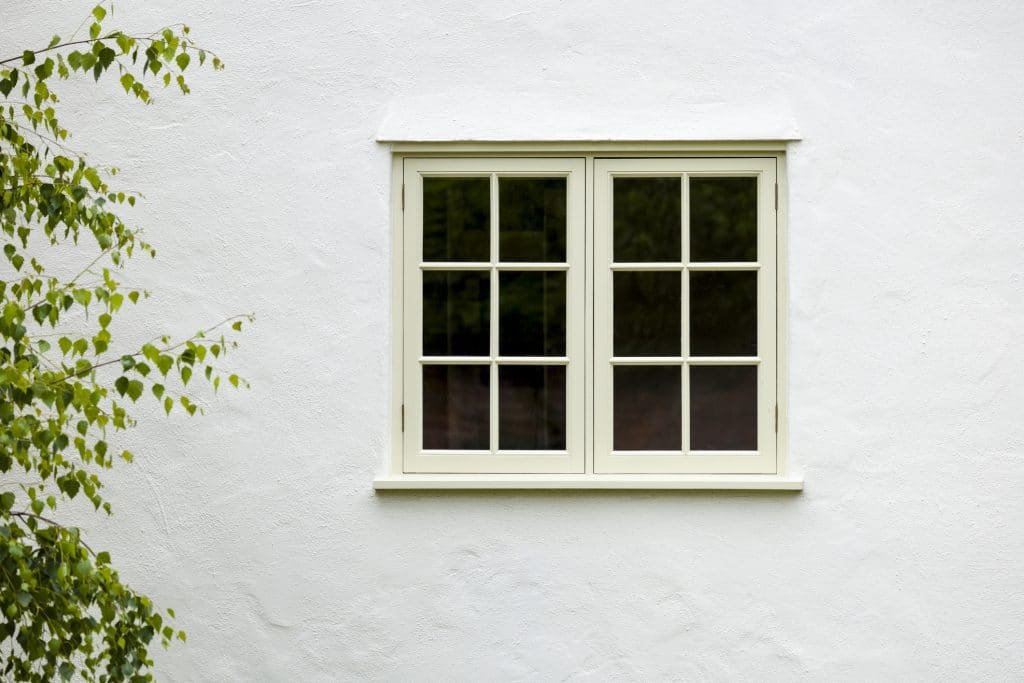
A casement window is hinged on one side and swings outward like a door when you turn a crank handle. Because the sash presses against the window frame when closed, casement windows create a tight seal that blocks drafts and improves energy savings over time.
Casement windows are popular in kitchens, especially above a kitchen sink, where a sliding or hung window would be hard to reach. The crank mechanism gives you easy access to fresh air without having to lean over a counter. They also provide excellent ventilation because the entire window opening is usable, unlike a hung window, where only half the opening allows airflow.
One thing to keep in mind: casement windows swing outward, so they may not be ideal right next to a walkway, patio, or deck where an open window could get in the way.
Awning and Hopper Windows
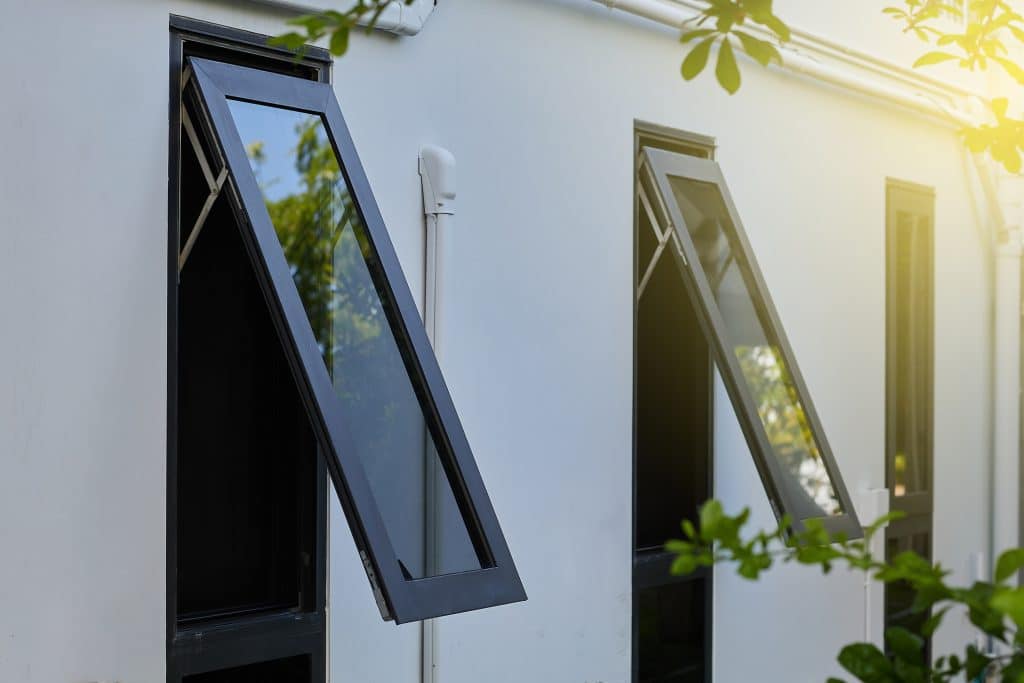
Awning windows are hinged at the top and swing outward from the bottom. This design lets you keep the window open during light rain without water getting inside. They’re also a great option for bathrooms and basements where ventilation helps manage moisture and humidity.
Hopper windows work in reverse. They are hinged at the bottom and tilt inward from the top. These windows are commonly used in basements and small spaces where a full-swing window isn’t practical. They also help improve airflow in rooms with limited wall openings.
Both awning windows and hopper windows are operable windows that can be paired with larger fixed windows to add ventilation where it’s needed most.
Picture Windows
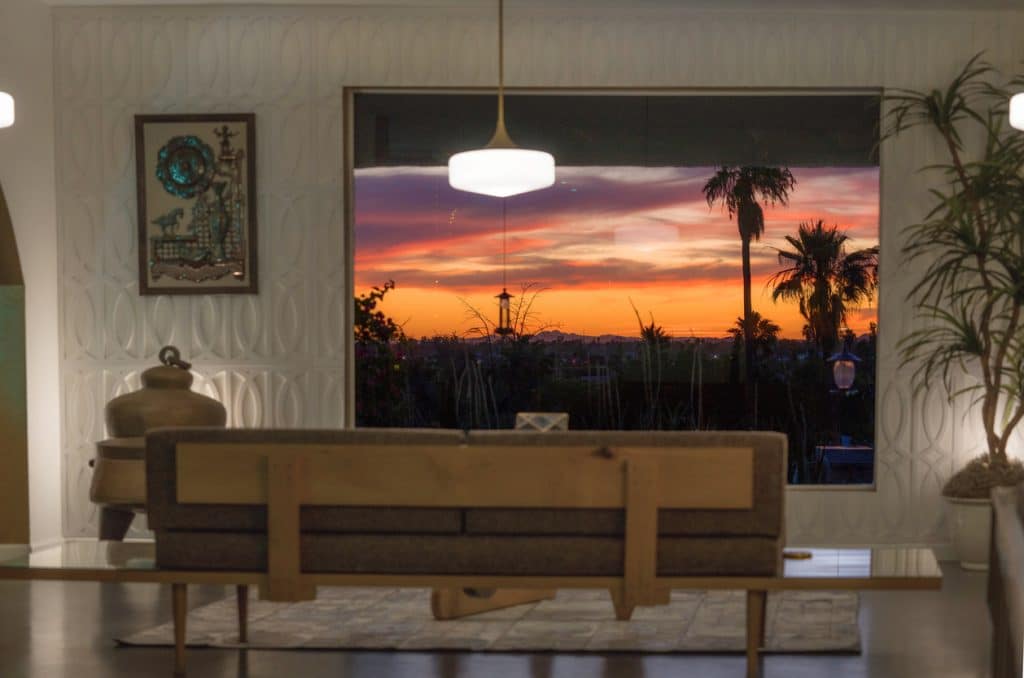
A picture window is a large, fixed pane of glass that does not open. Its purpose is to frame a view and flood the room with natural light, reducing the need for artificial lighting during the day. With no operable parts, there are fewer gaps and seals where air can escape, making picture windows the most energy-efficient window type available.
Picture windows work well as a focal point in a living room, dining area, or any space with a view worth showing off. They’re often combined with operable windows on either side so you get the best of both worlds: an unobstructed view and the option for fresh air.
Since picture windows don’t open, they aren’t suited for rooms where ventilation is a priority. But for filling a room with light and creating a sense of extra space, they’re hard to beat.
Bay and Bow Windows
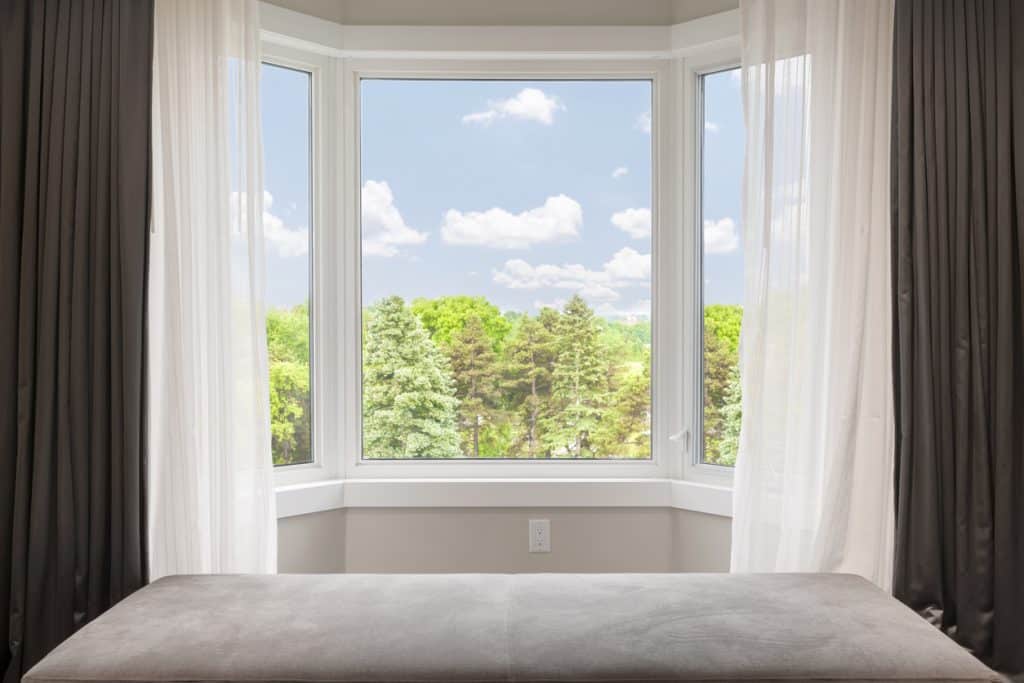
A bay window projects outward from the wall and typically includes three panels: a large center window flanked by two angled side windows. The center panel is usually a fixed picture window, while the side panels are often casement or double-hung windows that open for airflow. Bay windows add extra space to a room, creating a built-in nook that’s perfect for seating, storage, or simply letting more light in.
A bow window is similar in concept but uses four or more panels set in a gentle curve rather than sharp angles. The result is a rounded, more subtle projection that adds architectural detail to the exterior. Bow windows work well in formal living rooms and dining areas where you want extra light and space without the angular look of a bay.
Both bay and bow windows are statement features that affect curb appeal. Installation is more involved than a standard replacement window, so work with a team that can handle the structural framing and waterproofing correctly.
Specialty and Accent Windows
Beyond the standard styles, several specialty windows can add character and function to specific areas of your home.
Transom Windows
A transom window is a narrow, horizontal window installed above a door or another window. Transom windows let additional light into a room without giving up wall space. They’re often decorative, with arched or rectangular shapes that complement the home’s architectural style. Some transom windows are operable, which adds ventilation near the ceiling.
Jalousie Windows
A jalousie window features horizontal glass slats that tilt open and closed with a crank, similar to a set of blinds. When open, they allow maximum airflow. However, jalousie windows are not great for energy efficiency because the slats don’t create a strong seal when closed. You’ll find them more often in sunrooms, porches, and warmer climates where ventilation takes priority over insulation.
Sliding Windows
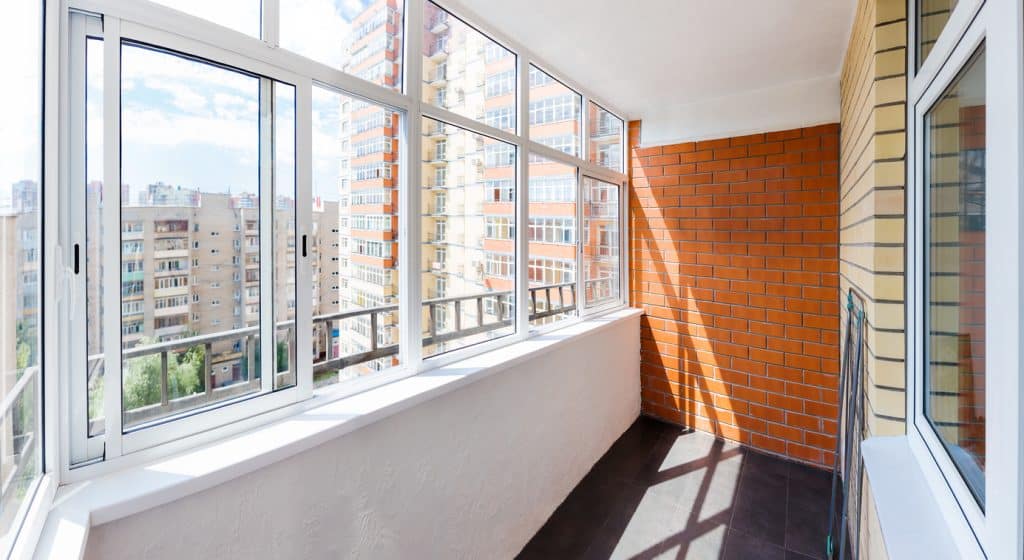
Sliding windows open horizontally along a track. They’re a practical choice for wide openings where a crank or hung window wouldn’t work well. However, like hung windows, only half the window opening is available for airflow at any given time.
Window Frame Materials
The frame material affects how your windows look, how well they insulate, and how much upkeep they need over time.
Wood frames offer a warm, traditional appearance and strong natural insulation. They can be painted or stained to match your home, but they do require regular maintenance to prevent moisture damage and warping. Wood windows are a popular choice for homeowners who want a classic, high-end look.
Vinyl frames are one of the most affordable options and require very little maintenance. They resist moisture and won’t peel, chip, or need repainting. Vinyl also insulates well, making it a practical choice for energy-conscious homeowners.
Fiberglass frames are strong, low-maintenance, and hold up well in extreme temperatures without expanding or contracting. They can be painted and offer insulation similar to wood at a lower maintenance cost.
Aluminum frames are lightweight and slim, giving windows a clean, modern profile. However, aluminum conducts heat and cold more easily than other materials, which can work against you in climates with harsh winters.
How to Choose the Right Window Type
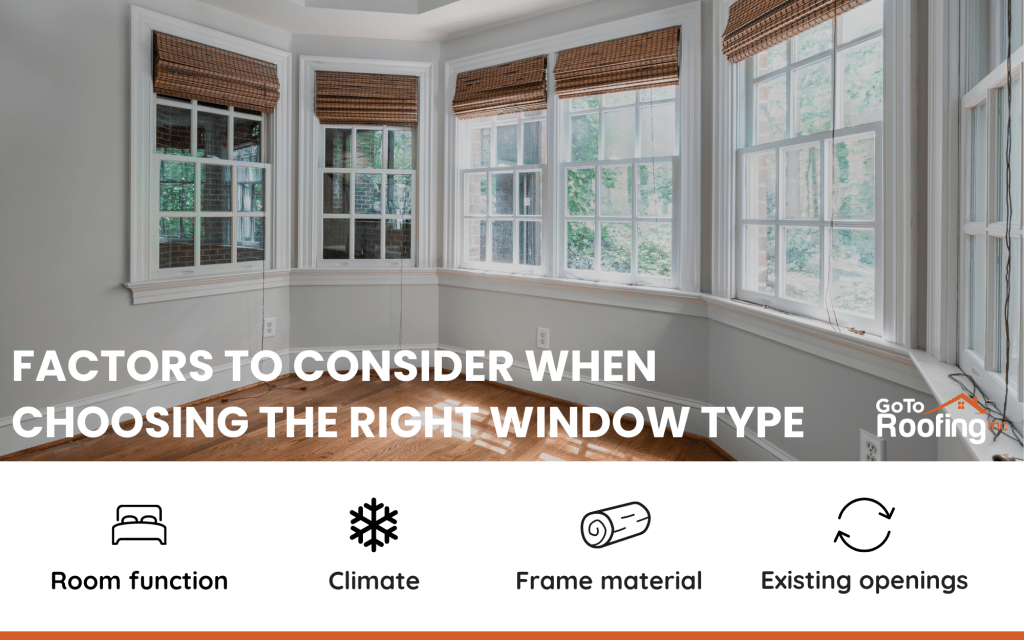
A few other factors worth thinking about:
- Room function: Bathrooms and kitchens benefit from operable windows like casement or awning styles that provide ventilation and help manage moisture. A home office or reading nook might prioritize natural light over airflow.
- Climate: If you live in a region with cold winters, windows with a tight seal, such as a casement or picture, will help with energy savings. In milder climates, jalousie windows or sliders may give you the airflow you want.
- Frame material: Wood windows offer a traditional appearance but require more upkeep. Vinyl and fiberglass frames are low-maintenance with strong insulation. Aluminum is lightweight and modern, but conducts more heat and cold.
- Existing openings: If you’re replacing windows, your existing window frame size may determine which styles fit without major structural changes. A window replacement that uses the same opening is simpler and more cost-effective than reshaping the frame for new construction windows.
Replacement Windows vs. New Construction Windows
When shopping for windows, you’ll see the terms “replacement window” and “new construction window” come up often.
A replacement window fits inside an existing window frame, so the installation doesn’t require tearing into the surrounding wall or trim. This makes it a faster, less disruptive option when your current frames are in good shape.
A new construction window includes a nailing fin that attaches directly to the wall studs. It’s the go-to option when you’re building a new home or when the frame around your current window is too worn or damaged to reuse. New construction windows give you a completely new frame and opening, sealed and insulated from scratch.
If you’re not sure which approach makes sense for your home, a professional assessment of the existing frames will give you a clear answer.
Getting the Most From Your New Windows
No matter which window type you choose, the quality of the product and the installation both affect long-term performance. Poorly installed windows can lead to air leaks, water infiltration, and even insect infestation around the frame. Your installer can help you compare options like ENERGY STAR rating, warranty coverage on the glass and frame, and which manufacturer makes the most sense for your home and budget.
Find the Right Windows for Your Home
Picking new windows is one of those projects where getting it right the first time matters. The style, material, and installation quality all affect your home’s comfort, appearance, and energy efficiency for years to come.
At GoTo Roofing, we help homeowners in Ann Arbor and the surrounding communities choose and install windows that fit their home and their budget. We stay hands-on through the full project with onsite supervision, use American-made products, and make sure the installation is done right.
Ready to explore your window options? Contact us today for a free estimate.
Copyright © 2026 WebLocal, Inc.