
How Roofers Can Help With Your Insurance Claims
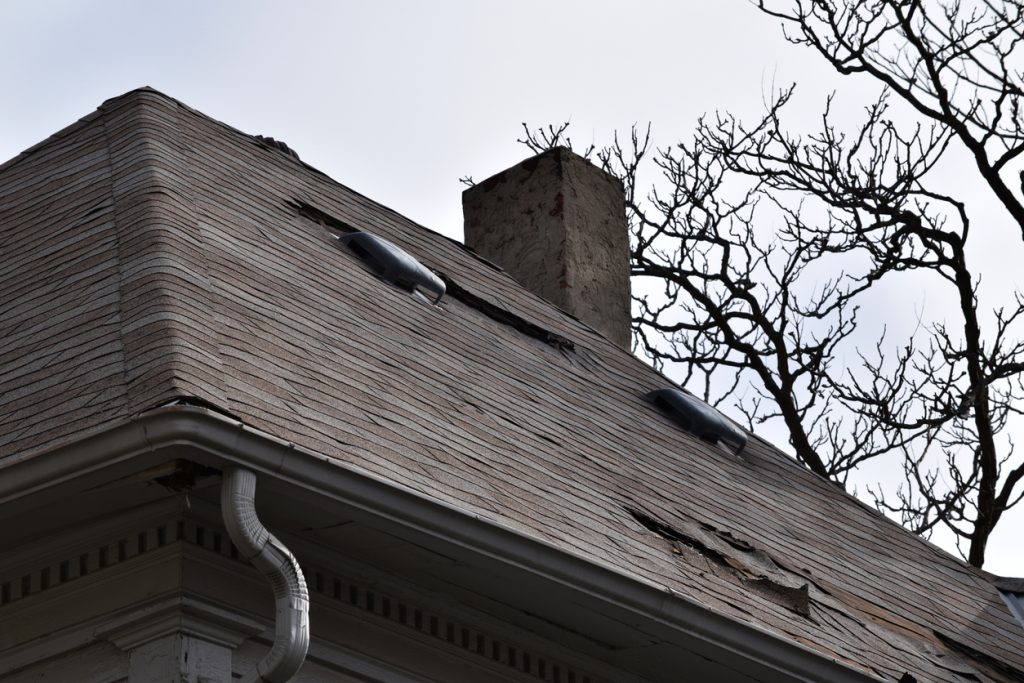
Short Answer: A roofing contractor plays a bigger role in your insurance claim than most homeowners expect. They inspect the roof, document storm damage with photos, write detailed repair estimates, and meet with your insurance adjuster to make sure every bit of damage is counted, not just the obvious spots. Most home insurance covers sudden roof damage from covered perils like storms, hail, and fallen trees, but it usually will not pay for wear and tear or poor maintenance. Knowing how your roofer fits into the claim process helps you avoid out-of-pocket expenses and get a fair settlement.
Filing a roof insurance claim can feel overwhelming when you are already dealing with a leak, missing shingles, or water damage inside your home. Between deductibles, covered perils, and an adjuster you have never met, it is easy to leave money on the table. This guide walks through exactly where a roofer fits in, what your policy is likely to cover, and how to keep the claim moving.
What Home Insurance Generally Covers
Most home insurance policies bundle dwelling coverage, personal property, liability, and sometimes additional living expenses. Your roof falls under dwelling coverage. When roof damage comes from a sudden, accidental event called a covered peril, your insurance is likely to help pay for repairs. Common covered perils include:
- Storm damage from high winds
- Hail damage
- Fire
- Fallen trees or branches
- Vandalism
Coverage varies from one insurance provider to the next, so the terms of your insurance policy always have the final say. Normal wear and tear, age, and poor maintenance are generally seen as the homeowner’s responsibility.
How a Roofer Helps Before You Even File
One of the most useful things a roofing contractor does happens before you contact your insurance company. After a storm, it is not always obvious whether your roof took real damage, and a trained eye can spot problems you might miss from the ground.
A Thorough Roof Inspection
A roofer checks the full roofing system, not just the spot where you noticed a leak. During an inspection, they look for:
- Lifted, cracked, or missing shingles
- Hail damage marks and bruising on the roof surface
- Damaged or loose flashing around chimneys and vents
- Granule loss in the gutters
- Soft spots that point to a roof leak or water damage underneath
This inspection report becomes the foundation of your claim. If the damage qualifies as a covered event, your roofer can tell you early, which saves you from filing a claim that has little chance of approval.
Honest Guidance on Whether to File
Not every bit of roof damage is worth a claim. If the repair cost is close to your deductible, filing might not make sense, and an honest roofing contractor gives you straightforward advice instead of pushing a claim that benefits no one.
Common Roof Damages Covered by Insurance
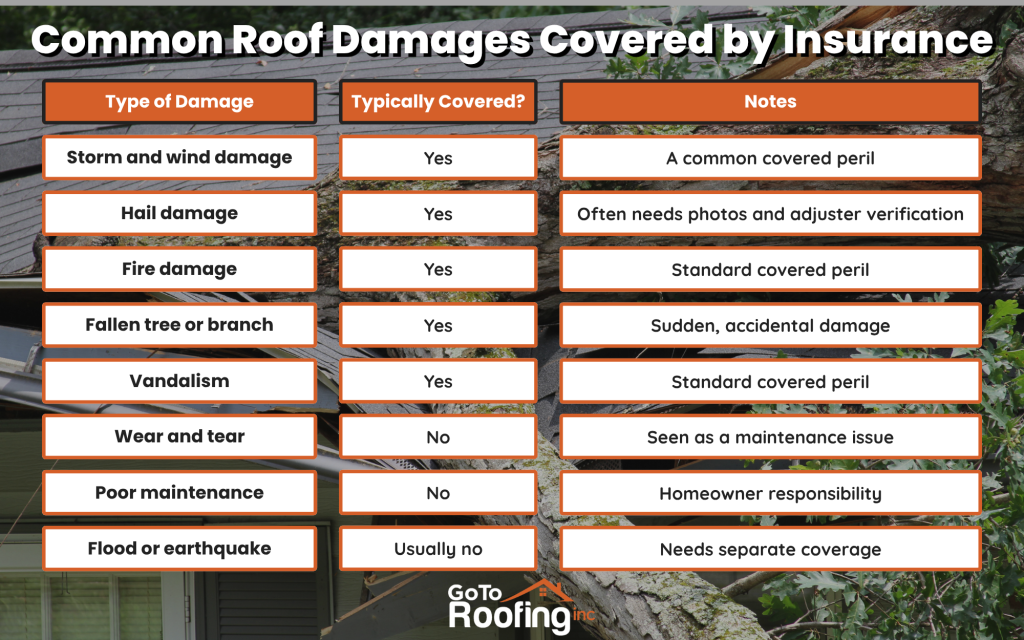
Most homeowners’ insurance policies cover roof damage from unpredictable events. The table above breaks down what is usually covered and what is not. Older roofs come with extra rules. If your roof is near or past its expected lifespan, your insurance company may adjust the payout for depreciation, which means you might receive the actual cash value rather than the full replacement cost value.
Actual Cash Value vs. Replacement Cost Value
Your roof insurance coverage usually pays out in one of two ways. Actual cash value pays the depreciated value of your roof, so the insurer subtracts for age and wear, and an older roof brings a smaller check. Replacement cost value pays what it actually costs to install a new roof of similar quality, with little or no deduction for age, though it often comes with a higher premium.
Knowing which type of coverage you carry helps you plan for out-of-pocket expenses. Your roofer can review repair estimates against your policy type and flag any gaps before work begins, so there are no surprises on the final bill.
Exclusions: When Roof Repairs Might Not Be Covered
Every insurance policy has limits, and roofs are a common place where claims get denied. The most frequent reasons an insurance adjuster turns down a roof damage claim include:
- Wear and tear: Shingles age out over time, and that is not a covered peril.
- Poor maintenance: Clogged gutters or ignored problems can lead to extensive damage.
- Neglect: Damage that built up because earlier issues went unaddressed is usually denied.
- Excluded perils: Floods and earthquakes are typically left out without extra endorsements.
If the adjuster decides the damage came from neglect rather than a sudden covered event, the claim can be denied, which is why regular roof maintenance matters. A roofer can help by documenting fresh hail damage or wind damage separate from older issues.
How to File a Roof Insurance Claim Step by Step
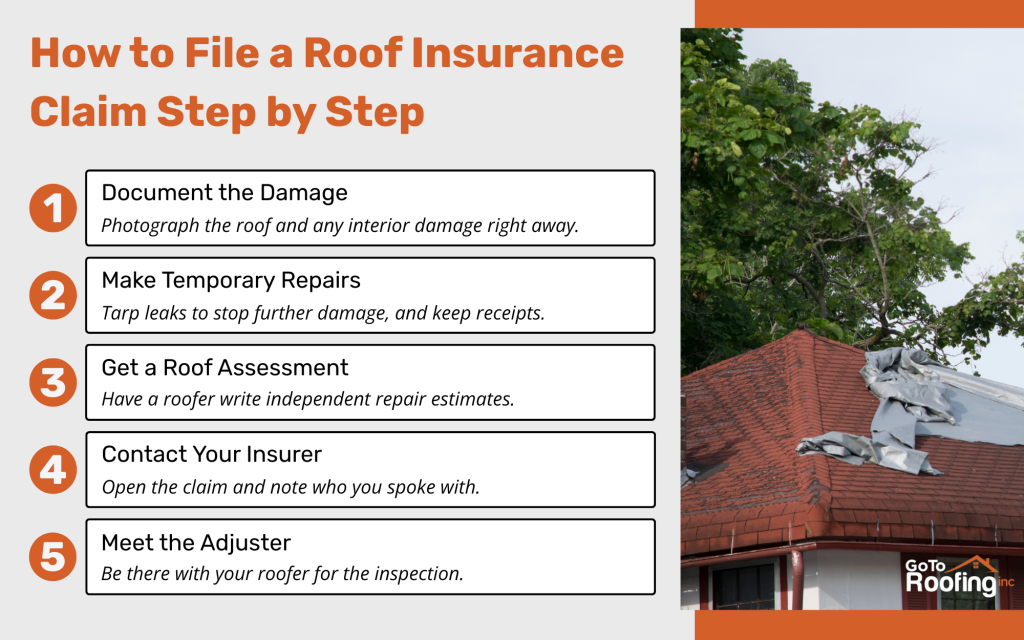
Once you know you have real damage from a covered peril, the claim process follows a predictable path, and your roofing company fits in at several points.
1. Document the Damage Right Away
Take clear photos and notes as soon as it is safe, capturing both the roof and any interior damage like ceiling stains. The more evidence you gather early, the smoother the process tends to be.
2. Make Temporary Repairs
Most policies expect you to limit further damage, so a roofer can handle emergency repairs like tarping a roof leak. Keep your receipts, since temporary repair costs are often reimbursable, and do not start permanent work until the adjuster has seen the damage.
3. Get a Professional Roof Assessment
Bring in a roofing contractor for a detailed inspection and written repair estimates. This gives you an independent measure of the true roof replacement cost, which is valuable if the insurance company’s first offer comes in low.
4. Contact Your Insurance Provider
Call your insurance company or insurance agent to open the claim, follow their instructions, and write down who you spoke with and when. A clear record helps prevent delays.
5. Meet the Insurance Adjuster
Your insurance provider sends a claims adjuster to inspect the roof. This is a key moment, and having your roofer present makes a real difference.
Why You Want Your Roofer at the Adjuster Meeting
The insurance adjuster works for the insurance company, and their job includes keeping payouts reasonable. That does not make them dishonest, but a second expert in your corner helps balance the conversation. When your roofing contractor meets the adjuster on site, they can:
- Point out every area of roof damage, including spots that are easy to overlook
- Speak the technical language of roofing so nothing gets lost
- Compare their estimates against the adjuster’s findings
- Make the case for a full roof replacement when spot repairs will not hold up
This teamwork often leads to a more accurate estimate and fewer items left off the claim. A roofer who regularly coordinates with insurers, like the team at GoTo Roofing, knows what adjusters look for.
What About a Public Adjuster?
You may hear about hiring a public adjuster, a licensed professional you pay to represent your interests. This is different from the insurance adjuster sent by your provider and different from your roofer. For most straightforward roof insurance claims, a reputable roofing contractor and good documentation are enough. A public adjuster is worth considering for large or disputed claims where the insurance company and homeowner are far apart, so it helps to know the option exists.
Tips for Working With Your Insurance Company
A little organization goes a long way once your claim is open. These habits keep things moving:
- Keep all photos, repair estimates, and the inspection report in one folder
- Write down every phone call, including names and dates
- Ask clear questions about your insurance coverage and deductible
- Stay polite but persistent if the process stalls
- Read your insurance policy so you understand your rights before you call
A responsive insurance provider will appreciate your diligence, and clear records make it harder for any covered item to slip through the cracks.
How to Spot a Trustworthy Roofing Contractor
Storm season brings out door-knocking crews who promise the moon and vanish once the check clears. Since your roofer plays such a big role in your claim, look for a roofing company that:
- Is local and easy to reach after the job is done
- Carries proper licensing and insurance
- Provides written repair estimates with clear scopes
- Has real reviews and a track record in your community
- Stays hands-on with onsite supervision from start to finish
GoTo Roofing checks each of these boxes for homeowners in Ann Arbor and the surrounding communities, staying involved through the whole project and using American-made, quality-guaranteed materials.
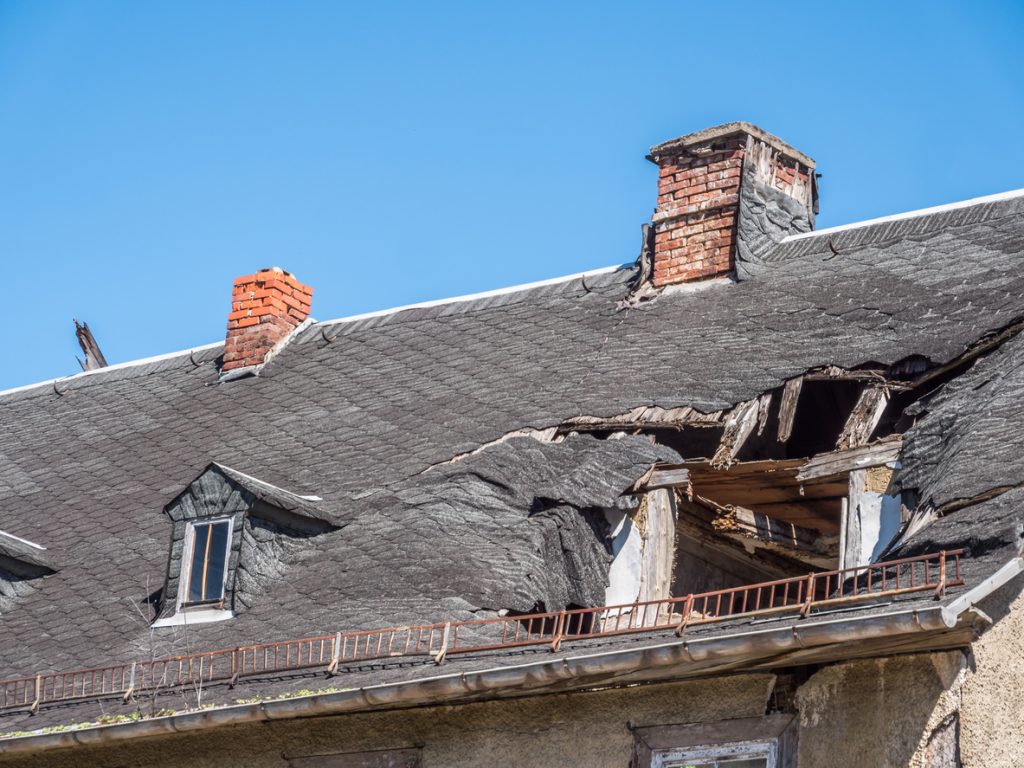
Protect Your Home With Informed Insurance Choices
Understanding how a roofer fits into your insurance claim can save you time, money, and stress. By reviewing your insurance policy, knowing which types of roof damage are covered, understanding actual cash value versus replacement cost value, and bringing in a professional to document the damage, you put yourself in a stronger position with your insurance company.
At GoTo Roofing, our trained inspectors understand home insurance coverage and can guide you through the claim process from the first inspection to the final repair. Reach out for a free consultation and get straightforward guidance for your home.
Copyright © 2026 WebLocal, Inc.